Granada

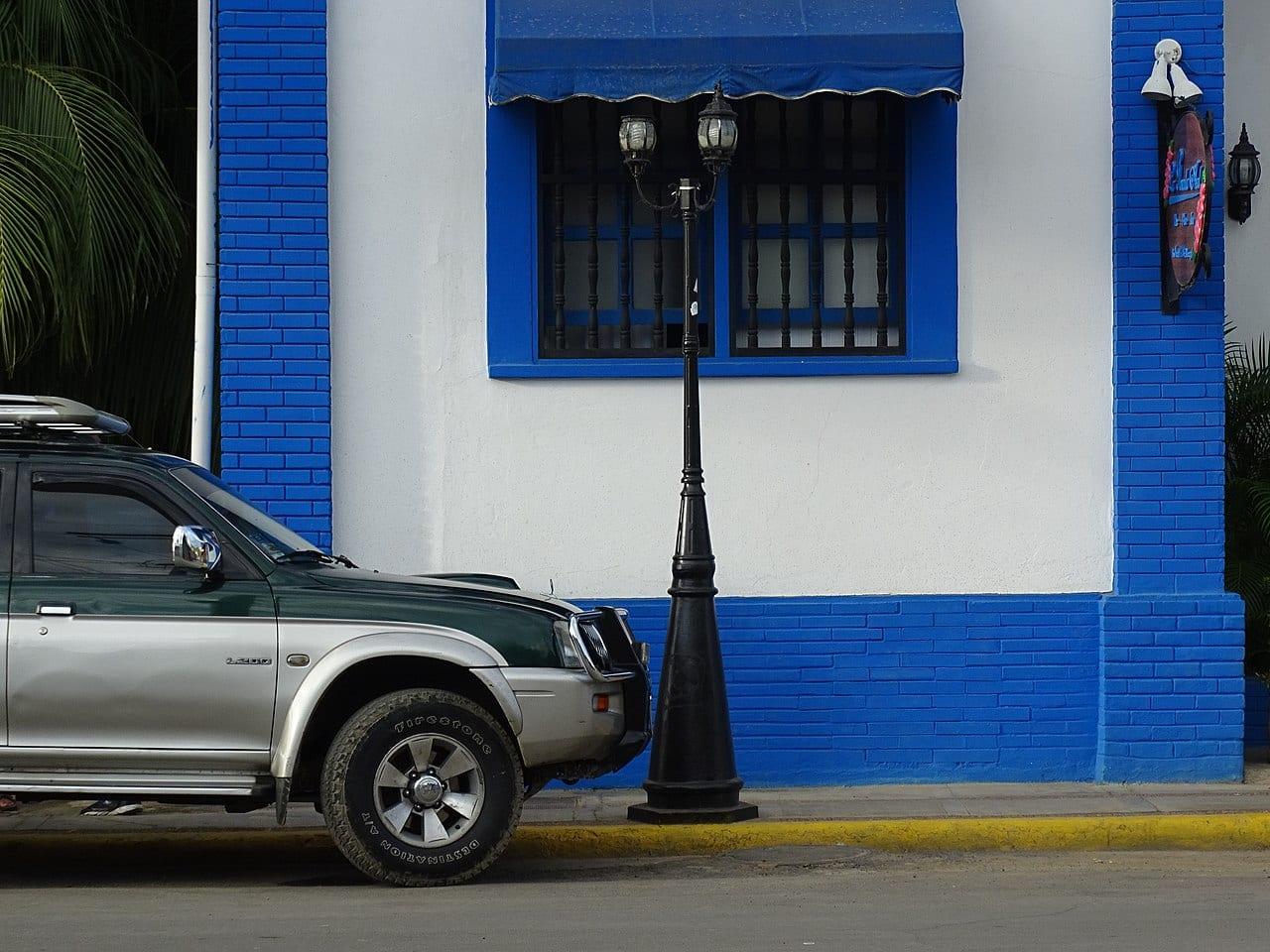
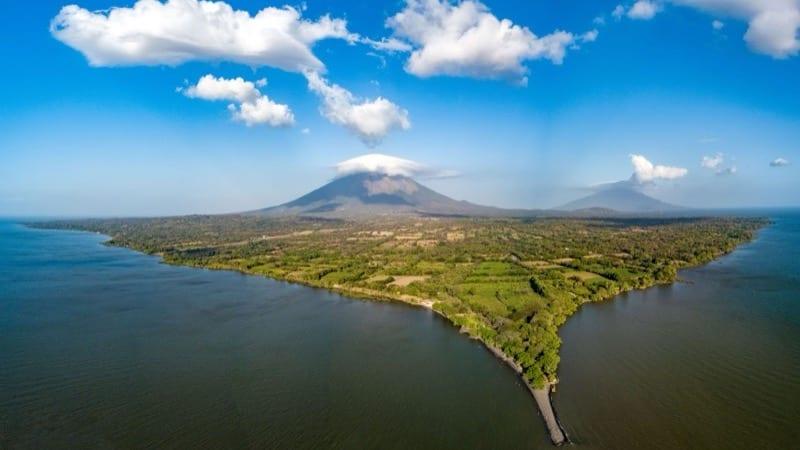
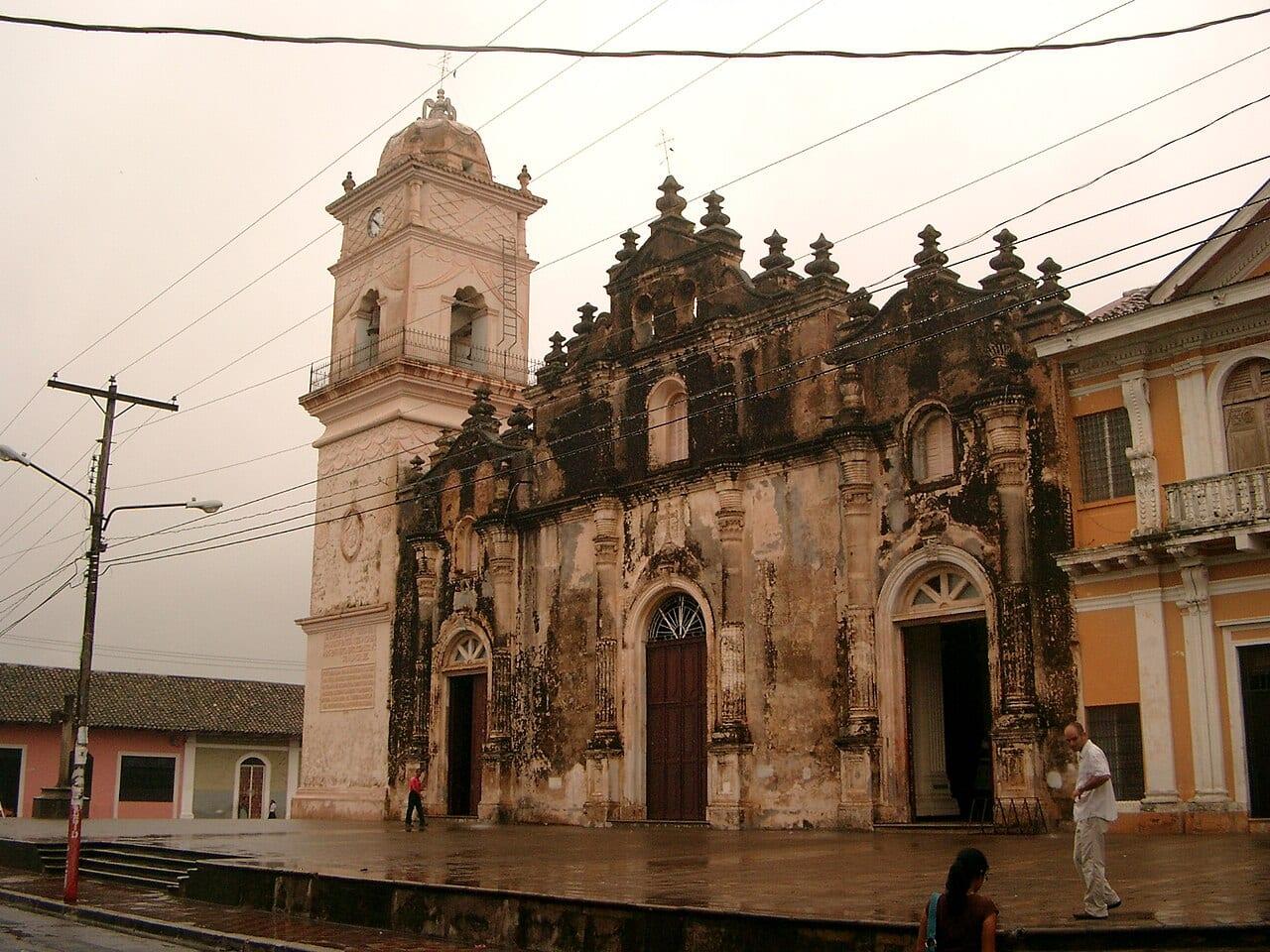
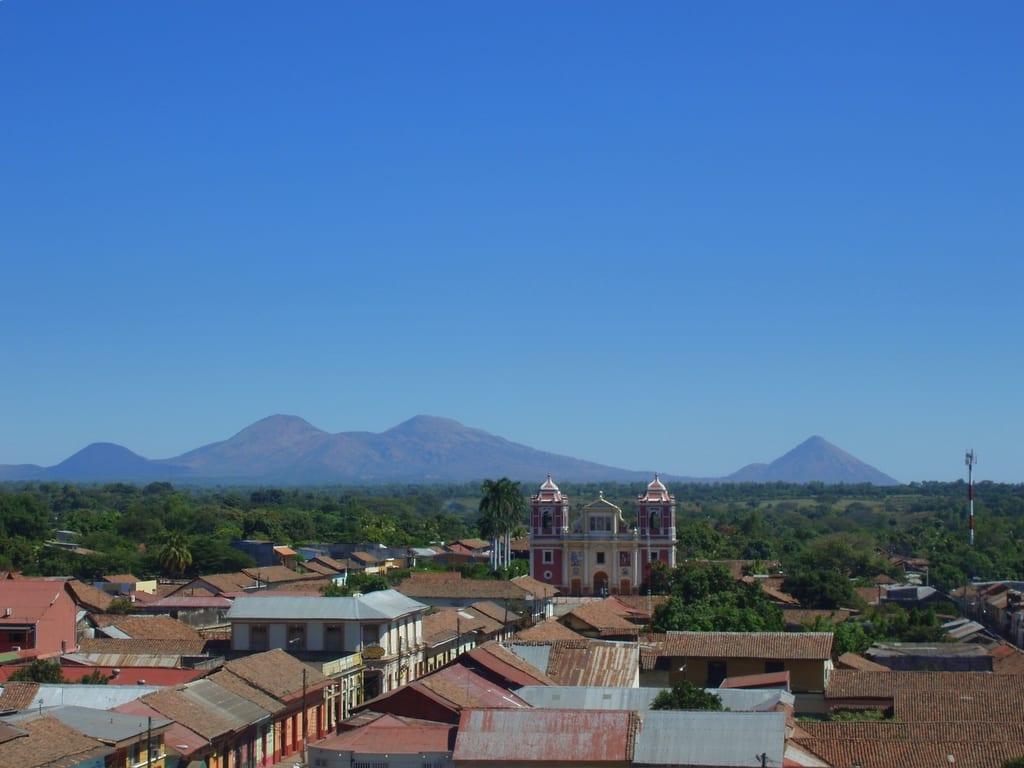
Granada is Nicaragua's marquee heritage market and the country's most established foreign-buyer destination. Founded in 1524 on the shores of Lake Cocibolca, its grid of cobblestone streets and pastel colonial facades draws retirees, lifestyle migrants and boutique-hotel operators. In 2026 restored colonial homes trade at roughly USD 878 per square metre on average, with premium Centro Historico properties commanding USD 1,150 to 2,200 per square metre; entry-level character homes still start near USD 60,000 while turnkey restored houses run USD 80,000 to 200,000 and trophy courtyard mansions reach USD 500,000. Short-term rental occupancy of restored homes sits around 60 to 70 percent at average daily rates of EUR 80 to 100, but net yields settle near 4 to 5 percent once management, maintenance of old structures and seasonality are counted, making Granada primarily a capital-appreciation and lifestyle play. The colonial core is forecast to grow 7 to 10 percent in 2026 and 35 to 50 percent cumulatively over five years on limited restored-home supply. Foreigners enjoy full ownership rights identical to nationals, no residency is required to buy, and property purchases of USD 50,000 or more qualify for Nicaragua's investor-residency program. Note the January 2025 currency law requiring domestic pricing in cordobas, though foreign-currency housing payments remain exempt.

Updated June 17, 20268 min read

About Granada

Granada is Nicaragua's marquee heritage market and the country's most established foreign-buyer destination. Founded in 1524 on the shores of Lake Cocibolca, its grid of cobblestone streets and pastel colonial facades draws retirees, lifestyle migrants and boutique-hotel operators. In 2026 restored colonial homes trade at roughly USD 878 per square metre on average, with premium Centro Historico properties commanding USD 1,150 to 2,200 per square metre; entry-level character homes still start near USD 60,000 while turnkey restored houses run USD 80,000 to 200,000 and trophy courtyard mansions reach USD 500,000. Short-term rental occupancy of restored homes sits around 60 to 70 percent at average daily rates of EUR 80 to 100, but net yields settle near 4 to 5 percent once management, maintenance of old structures and seasonality are counted, making Granada primarily a capital-appreciation and lifestyle play. The colonial core is forecast to grow 7 to 10 percent in 2026 and 35 to 50 percent cumulatively over five years on limited restored-home supply. Foreigners enjoy full ownership rights identical to nationals, no residency is required to buy, and property purchases of USD 50,000 or more qualify for Nicaragua's investor-residency program. Note the January 2025 currency law requiring domestic pricing in cordobas, though foreign-currency housing payments remain exempt.

Location

Granada, Granada Department, Nicaragua

Showing this map loads it from Google Maps, which sets their own cookies on your device.

Unlock the full city guide. It's free.

You've read the preview. 3 more sections are open to Explorer members, instantly, with just an email.

No spam, no password, unsubscribe any time.

Already a member? Sign in

  • City highlights
  • Market data and outlook
  • Neighbourhoods to explore

Figures are indicative and subject to change. Regulations, taxes and market conditions vary by jurisdiction. Do your own due diligence and seek independent legal and financial advice.
All city guides